
Master the art of trademark and design protection, IP licensing, prosecution, litigation, and monetization in a global business landscape and advance your career growth.

Exposure to growing areas of law
It is a lot easier to find clients and get jobs in areas of law practice that are growing now rather than those that have stagnated. Lawsikho courses are designed to prepare you for the industry with skills & knowledge that are in demand by the market.

Learn & master real skills by doing
Gain real legal skills through hands-on practice. One hour of daily practice ensures expertise in the field. Our practical approach enables you to handle complex legal challenges confidently, preparing you for a rewarding and impactful career in the industry.

Knowledge & mentors for success
Our expert-designed courses guarantee a thriving legal career. Get unparalleled access to a wealth of knowledge and mentors who will guide you through every step, ensuring you acquire the necessary skills and insights to excel in the dynamic legal landscape.
Get opportunities with domestic law firms, MNCs, startups, as well as international recruiters
Our freelancer have earned more than Rs. 30 Lakh per annumn.
We created over 15000+ opportunities for our learners
Total value of work secured amounts to over USD 3,30,000
Prominent recruiters where our alumni are currently working


LawSikho courses work best for:

Law graduates who are graduating or recerntly graduated without a job and need help

Lawyers who are not earning enough and want to grow their earning potential

Non-lawyers who want to learn the law in a way that they can benefit in their career
 Key Highlights


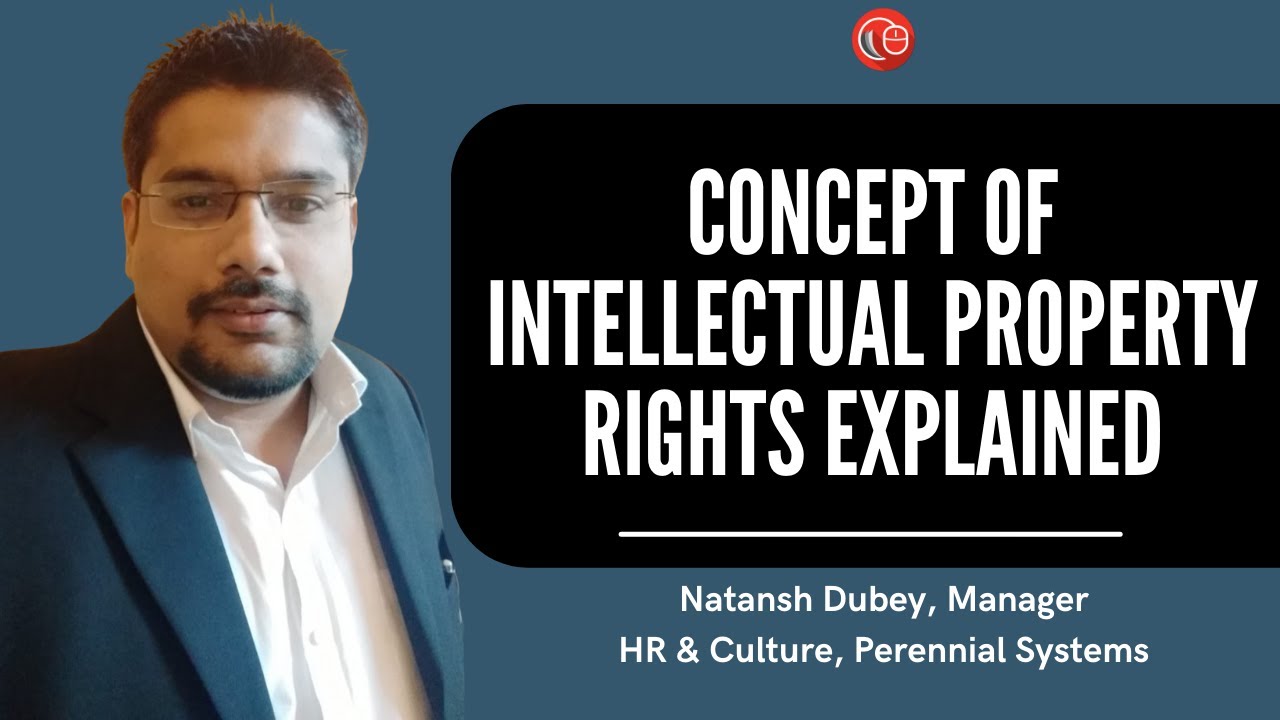 Concept of Intellectual Property Rights explained
Natansh Dubey | LawSikho
 Why Intellectual Property Law is the top career choice? | IP Law
Ramanuj Mukherjee | LawSikho
 Why has Intellectual Property Law emerged as the most exciting career choice in 2020?
LawSikho
Introduction
“It takes 20 years to build a reputation and five minutes to ruin it. If you think about that, you'll do things differently.” – Warren Buffett
Brand is the reputation of a business. It is what people remember. It is not always just a word or an image, but what people think or the feelings they experience when they think of a product, service or business.
For instance, over many decades, Coke has tried to associate its cola with happiness, and spent billions of dollars in advertising to make that happen.
Now imagine how it would be if I could take a bottle, pour some black water into it, and put up a label calling it Coke, and start selling on a street corner. It would be a pandemonium, right?
This is where trademark law steps in to make brands and significant investments that go into building a brand viable and protected from infringement and misuse. Trademark, therefore, is a basic foundational concept of capitalism - without it, our economic system would collapse!
Trademarks were not important in the local economy. When everyone lived in a village or a small town, and all products were local and sold through trusted traders, there was no need for trademarks. However, as the economy grew, and products were sold throughout a country or even the world, trademarks became more important. And this is why protection of trademarks has been a key feature of globalization through the WTO and other bodies.
The Internet and global economy has only continued to increase the value of trademarks as we deal with strangers more and more in terms of commerce and trade. We cannot trust a human being or business as easily as we trust brands because brands are valuable and take time to build!
If you had to travel to Africa or Australia, and needed to buy a laptop or phone, you may go for an Apple product rather than a brand you have not seen before, because you have trust in the quality of Apple products. And this is what allows Apple to charge a premium for its products. You may go to any corner of the world and expect a certain kind of service from Uber or a Hilton hotel. That is the magic of branding, which is only possible through trademark protection.
Trademarks are more widely used than other forms of IP. Business organisations in almost every sector of the economy employ trademarks to protect their brands. Businesses that fail to build a brand are often wiped out by the ones that manage to build a strong brand in any market. Also, businesses that focus on building a brand are usually far more successful and profitable than the ones that do not focus on building brands.
However, while trademarks are becoming increasingly valuable and critical to businesses, they are not the only aspect of a business that needs to be protected today.
Uniqueness is a virtue that every business strives for. Every business wants something that they are known by, something that is their unique selling point. Let's bring up Coke once again, apart from the words 'Coca-Cola’ written in a distinctive manner (which would be protected as a trademark), coke also has a very distinctive looking bottle which sets it apart from other beverages. Did you know that this unique shape of Coke’s bottle could also be protected so that no one else can imitate its design?
Such a protection is even more pertinent for artists and designers who earn a livelihood by creating designs that appeal to the public. Be it jewellry, textile, furniture or clothing, design plays a crucial role for various businesses and therefore must be protected.
Trademarks and designs, both have separate sets of procedures that accord registration to them and that ensure protection against infringers. In order to provide a holistic IP protection to one's client, one must learn about both the laws.
Here are the major areas of work with respect to trademarks and designs:
- Trademark and design registrations
- Opposition and objections during registration of trademark
- Objection during registration of designs
- Domain name and squatting disputes
- Infringement and passing off of designs as well as trademarks
- Disputes over licensing, merchandising and franchising
- Review, rectification and cancellation of trade marks
- Cancellation of designs
- Monitoring and preventive measures
Though trademark and design licensing, prosecution and litigation consists of a vast majority of work that IP lawyers do in India, the scope of IP is certainly not limited to these.
India is a highly innovative country and we come up with technological advancements on a regular basis. IP law acknowledges the hard work and dedication that goes into bringing improvements to so many lives by giving monopoly to the inventors for a fixed period of time by granting them patents over their inventions.
From filing the application till the grant of the patent, one is required to overcome various office objections and third party oppositions. Patent prosecution is a highly extensive and demanding process which requires one to have particular skill sets in order to be able to defend their clients’ applications before the patent office.
Other than all the work generated through patent registration and enforcement, there is a great deal of work with respect to monetization of patents. This can include advice on and drafting agreements relating to licensing and assigning of patented technologies. Many tech giants enter into cross licensing agreements with each other in order to make use of the patented technology in their products and to avoid the costs of litigation. Tech and pharmaceutical companies own a lot of patents which require valuation and management of the portfolios. All this work is highly lucrative.
In addition to prosecution as well as licensing, IP is subjected to a lot of litigation often including giants which fight tooth and nail to protect their IP. Be it trademarks, designs, patents or copyright, IP litigation is a different ball game altogether in comparison to prosecution and involves a different set of procedures.
Litigation does not only involve extensive drafting but also requires a deep understanding of what constitutes infringement, valuation of damages, various defences to infringement as well as various civil and criminal code procedures.
And of course, there is a massive need for an army of talented lawyers who create contracts, register intellectual property, enforce agreements and IP rights, resolve disputes, handle investment agreements, JV contracts, licensing of various IP rights, protecting legal interests of the media companies, ensure compliance to myriad laws and keep the industry in shape.
This is what we want to accomplish through this course. How can a course like this benefit your career?
Who should take this course
- Seasoned lawyers, law students, and legal professionals can access exciting opportunities.
- Business leaders in brand-focused or entertainment companies can protect and profit from their intellectual property.
- Aspiring IP lawyers can enhance their skills in IP litigation, disputes, and licensing.
- Tech and advertising lawyers working with technology, e-commerce, or consumer goods companies benefit from this course.
- Law students aspiring to work in IP law firms, big law firms with IP or tech, media, and telecom teams, or product-based multinational companies can kickstart their careers.
- Entrepreneurs and company directors can safeguard their innovations and ideas by mastering intellectual property law
What will you learn from this course?
- You'll discover how to safeguard your creative ideas, inventions, and innovations from being copied or stolen.
- Understand how to obtain patents, which give you exclusive rights to your inventions, and learn how to defend them if someone tries to copy your work.
- Learn how to create and protect unique logos, brand names, and symbols for your products or services, ensuring they stand out in the market.
- Explore how to protect your original artistic and written works, such as music, books, and art, and how to deal with copyright infringement.
- Discover the secrets of protecting confidential business information and strategies from competitors.
- Learn how to make money by licensing your intellectual property to others, allowing them to use it while you retain ownership.
- If disputes arise, you'll gain insights into how to navigate legal battles to defend your intellectual property rights effectively.
- Understand how intellectual property laws work globally, ensuring your protection extends beyond borders.
- Dive into real-life examples and case studies to see how intellectual property concepts are applied in practice.
- Explore the ethical aspects of intellectual property, ensuring you use your rights responsibly and ethically.
Training Methodology

Online 24/7 access
Access study materials via our online portal & via our anroid & iOS apps.

Practical Exercises
Two practical exercises every week, each followed by written feedback.

Live Online Classes
Live online classes based on exercises, allowing questions and feedback.

Convenient Class timings
Classes held after work hours, typically on Sundays or after 8 PM on weekdays.

Live Doubt Clearing
Live doubt clearing for support and one-on-one sessions with mentors.
What is the career potential after doing this course?
- IP law has been a major area of interest for many lawyers as it always includes very well paid work because of the high stakes.
- There are mid-sized IP law firms (appointing between 50-200 lawyers) which engage in services such as conducting classification and availability searches for the registration, managing portfolios, enforcement, disputes and litigation over trademark, designs, patents and copyright These law firms provide a great opportunity to have a rewarding career in IP law to young lawyers.
- Other than registration, IP law practitioners have to deal with licensing, assignments, objections, oppositions etc. Additionally, IP litigation has massively increased in volume over the years, turning the practice into a very lucrative profession.
- Apart from the top tier law firms, there are plenty of boutique law firms and many independent lawyers catering to startups and SMEs with respect to their IP law needs.
- There is a lot to be done in the next 3 years. Also, the space has become highly litigious given tons of complaints, objections to misuse of IP, etc. having become routine. As a result, lawyers who can handle IP litigation are in very high demand.
- If you want to pick up some expertise and knowledge in IP prosecution, licensing and litigation, this is a great time. The market is not saturated and very few lawyers have comprehensive knowledge of these laws. It will definitely go a long way to make your CV stand out, impress the interviewer, get the next promotion, or even start your own practice.
- You cannot learn these things by studying any particular statute, regulations or rules, and there are no substantive books or online sources that can help you here. Success in IP law practice requires skills which are more varied than merely knowing the provisions of various statutes.
- Check out the learning objectives to understand what you will exactly need to learn.
Potential employers
- Law Firms: Law firms specializing in intellectual property law are always on the lookout for professionals who can help them protect their clients' inventions, trademarks, and creative works. Your knowledge of prosecution, licensing, and litigation will make you an asset to these firms.
- Corporate Legal Departments: Many companies have in-house legal teams responsible for managing their intellectual property. Your expertise will be highly sought after by businesses that want to safeguard their patents, copyrights, and trademarks.
- Government Agencies: Government bodies like the United States Patent and Trademark Office (USPTO) or the European Patent Office (EPO) employ intellectual property experts to review patent applications, issue patents, and ensure compliance with IP laws.
- Technology Companies: Tech giants and startups alike rely heavily on intellectual property protection. They need professionals who can navigate the complexities of IP to safeguard their innovations and technologies.
- Pharmaceutical and Biotech Companies: These industries heavily depend on patents to protect their groundbreaking discoveries. Your skills will be in demand to handle IP issues related to drug patents and biotechnological innovations.
- Entertainment and Media Companies: Film studios, music labels, and publishing houses need IP experts to manage copyrights and licensing agreements for their creative content.
- Consulting Firms: Intellectual property consulting firms provide specialized advice to a wide range of clients. Your knowledge can help businesses make informed decisions about their IP strategies.
- Nonprofit Organizations: Some nonprofits focus on advocating for intellectual property rights, while others work on humanitarian initiatives that involve IP issues. Your skills can be put to good use in these organizations.
- Startups: Emerging companies with innovative ideas need guidance on IP matters. Your expertise can help startups protect their intellectual assets and secure funding.
- International Organizations: Organizations like the World Intellectual Property Organization (WIPO) hire experts in IP to address global intellectual property issues and promote innovation on a global scale.
Relevant Industries





What kind of recruitment and placement support will I get?
- Unique Training Method: We're the sole organization in India offering comprehensive, exercise-based courses.
- Employer Recognition: Many leading employers, law firms, and companies actively seek our high-performing students.
- Career Opportunities: Success in our courses can lead to job placements, internships, and assessment internships in esteemed law firms, with renowned lawyers, and various companies.
- Empowering Learners: We focus on empowering learners with not just knowledge and skills, but also real-world opportunities.
- Dedicated Support Team: Our dedicated team is here to assist you with placements, internships, and freelance opportunities.
- Proven Success: Between April 2021 and June 2023, we've helped over 21,000 students secure job and internship opportunities.
- Media Recognition: Our achievements have been featured in respected media outlets like The Hindu, Business World, and India Education Diary.
- Impressive Value: Our students have secured over Rs. 2.7 Crore (USD 330,000) worth of work, with records of INR 30 LPA (USD 37,500) domestically and INR 50 LPA (USD 62,500) internationally.
- Comprehensive Support: From day one, our placement team guides you in setting goals, crafting standout CVs, enhancing interview skills, and supporting your critical first month on the job or during an internship.
- Trusted Recruiters: We've built strong collaborations with recruiters who prefer hiring our well-trained students.
- Competitive Edge: Partnering with us gives you an edge in the job market and opens doors to exciting career prospects.
What is unique about this course?
- This course aims to impart specific paralegal skills to students as well as to law graduates and working professionals which would enable them to take on IP related work available on the internet and will instill in them the required confidence to generate a global clientele over the internet.
- The course is not limited to a provision-by-provision study of some statutes and associated case laws alone
- The course trains you on different kinds of actual work that is required to be performed by lawyers and other professionals. After finishing the course, you will gain as much practical knowledge as a lawyer working at a top-tier law firm in these teams will know after a year or two of experience.
- It is not a mere theoretical study but hands on practical lessons where you will have to draft a lot of documents.
- You shall be given access to various video lectures on navigating freelancing platforms such as Fiverr, People per Hour and UpWork. Additionally, live online classes would be conducted by some of the well established IP lawyers from India providing their services to global clients who would share their insights on the dos and don'ts of freelancing. They will also provide you with a step by step guide towards creating and maintaining your online presence.
- This is an intensive course that demands your commitment. Successful completion of required assignments is necessary to earn the certificate. You should plan to invest 4-5 hours per week in skill development, along with attending classes.
- Our expert instructors will lead interactive classes with high-quality discussions. These discussions will not only clarify your doubts during classes but also outside through course groups and email.
- You'll receive personalized attention and coaching from assigned trainers. Additionally, a dedicated course anchor will assist you with submissions, guidance, and any issues you encounter as you progress through the course.
- Expect detailed feedback on your assignments, which will greatly enhance your performance.
- Throughout the course, you'll develop your writing skills through six assignments. Exceptional pieces may even be published on the iPleaders blog, which attracts over a million monthly visitors. This opportunity can significantly boost your portfolio.
How will you clear my doubts and help me if I am struggling to understand or learn a concept?
- In our live classes, you can ask questions, share your screen, receive personal feedback, and have your doubts cleared.
- If you need more help after getting feedback on an assignment or want career advice, you can schedule a private one-on-one call. Our evaluators and mentors are here to assist you and give you advice that's tailored to your needs.
Specific Learning Objectives
- Learn how to conduct a classification search and availability search for trademarks;
- Learn how to file an application for registration of a trademark;
- Learn how to file an international trademark application through the Madrid route;
- Learn how to claim use of a trademark by filing a user affidavit;
- Learn how to respond to the examination report received by the applicant of a trademark from the trademark registry;
- Learn about the opposition stages of a trademark application and learn how to draft a notice of opposition;
- Learn how to draft a counter statement in response to a notice of opposition;
- Learn how to draft evidence affidavits in support of the notice of opposition or the counter statement;
- Learn how to draft a cease and desist notice as a pre litigation measure;
- Learn how to respond to a cease and desist notice effectively;
- Learn how to draft INDRP and UDRP complaints for domain name infringement;
- Learn how to draft a rectification/cancellation petition for trademarks;
- Learn how to draft a trademark assignment agreement;
- Learn how to draft a trademark licensing agreement;
- Learn how to draft a merchandise agreement;
- Learn how to draft a franchise agreement;
- Learn how to draft a technology transfer agreement;
- Learn how to draft a work for hire agreement;
- Learn how to file a design application;
- Learn how to deal with a design application objection and how to apply for cancellation of a registered design;
- Learn how to draft pre and post grant patent opposition letters;
- Learn how to initiate a patent infringement suit and how to respond to the same;
- Learn how to initiate a trademark infringement suit and how to respond to the same;
- Learn how to initiate a copyright infringement suit and how to respond to the same;
- Learn how to initiate a design infringement suit and how to respond to the same;
- Learn how to seek search and seizure orders as well as preliminary injunctions in IP infringement cases;
- Learn how to initiate a suit for passing off and trademark dilution
- Learn how to draft a DMCA notice to curb copyright infringement over the internet.
What kind of assignments will you get?
- You are a trademark attorney providing the service of filing applications for trademark registration and other services like trademark prosecution and opposition. One of your clients has been in the business of manufacturing and selling high quality skin care since 2000. He has come to you for help regarding how to go about the registration of the name and logo of his brand.
- Your clients want to register their trademark on an intent to use basis for ‘pharmaceutical preparations and drugs for human consumption’. You, as their trademark attorney, recently filed a trademark application for their mark under class 5. You have now received the examination report for the application on various absolute and relative grounds. Do the needful.
- Your client is the owner of a sportswear brand which uses the slogan ‘Just Become It’ which is a registered trademark. You have come across an application for the mark ‘Just get it’ to be registered under the same class as your client’s mark. Advice your client and help her file a notice of opposition against the Applicant.
- You had filed a notice of opposition for your client ‘Hidesign’ against the application for registration of the mark ‘Redesign’ in the same class. The Applicant has submitted the counter statement in response to the notice of opposition. In order to take the opposition forward, you are required to provide the evidence in support of the notice of opposition filed by you.
- You represent a fashion retail giant which is well known for a checkered pattern called ‘Rubbery check’. One of the singers recently launched a song by the name ‘Rubbery check’ and the video also shows the dancers wearing the said patterned clothes. Your client wants to know if prior to approaching the court, the singer could be intimated about the client’s rights and can be asked to take the song and the video down or change the name of the song and remove the infringing parts of the video. What would you advise the client?
- Your client owns and operates an e-commerce platform for dairy goods and other groceries under the domain name ‘freshfirst.in’. It is well-known and respected in the market for its product quality. Another company called Fresh Edibles Pvt. Ltd. has registered its e-commerce platform selling similar goods as your client under the domain name ‘freshfest.in’. Your client has received communication from several customers complaining about the quality of confectionery delivered by freshfest.in, since they believe it to be affiliated to your client. What is the course of action that your client shall take in such a scenario.
- An individual residing in New Delhi, is the owner of various brands having trademark registrations with respect to shoes, electrical appliances and computers respectively. He decides to transfer the ownership of the trademark registered under the relevant class for electrical appliances, to another individual. The parties are looking to have an association wherein after the agreement is executed, the transferee shall have the rights to use the mark wholly. The transferer shall have no rights in the trademark whatsoever and the sole authority with respect to the use of the mark shall be exercised by the transferee. Draft the relevant agreement.
- Your client is a fashion designer and has come up with a new range of products consisting of jewelry, watches, and gemstones. Prior to launching the products, she is worried that someone will copy her designs and sell them at lower prices which will sabotage her business. What are the ways in which she can protect her designs from being copied?
- A tailor running two small shops in New Delhi has designed a range of dresses which are really unique in form, texture and colours. He released the pictures of the same to some of his customers, one of whom owns a retail store chain all across the US. She is willing to sell these dresses at her stores in exchange for a recurring revenue for the tailor. The tailor is a little apprehensive about the deal and needs advice regarding the ownership of the IP in the design of the dress, his obligations and assurance about his revenue. Advise the tailor and draft the appropriate agreement between him and the retail store owner.
- A shop owner in Delhi wishes to commission an artist to paint the front wall of his shop. He wants to ensure that he would own the copyright over the created work and also wants to lay down the terms on which the artist would be working. Draft a work for hire agreement for the parties.
- Your client is a private company incorporated in India. It aims to create an electricity reading meter that automatically transmits the usage information to the relevant authorities. A japanese company has already developed this technology to a great extent. It has agreed to transfer the same to Electrify Solutions and to conduct further R&D together with your client's company. Draft a technology transfer agreement to be entered between the parties.
- Company A is a well established phone manufacturer in India which recently came up with the technology of contextual intelligence in mobile phones. This technology was soon declared to be a standard essential patent by a Standard Setting Organization. Company B, seeking to implement the technology in its products went to company A to get a license for the same. Company A not only asked for an exorbitant amount in exchange of the license but also demanded 5% royalty rate of the selling price for each phone sold that used the said technology. Aggrieved by this, company B has approached you for legal opinion.
- Your client owns a multinational clothing company and has trademark registrations in various countries including India and the US. He recently found that someone has been exporting clothes, from India to the US, which are identical to his signature style of clothing under a very similar name as his brand. What is the action that you would suggest he goes ahead with?
- A technology company engaged in the business of developing, manufacturing, licensing and selling computer software and consumer electronics recently got the information that their user interface (UI) designs and other confidential information related to their software and applications are being passed on to their competitors. It was found out by the company’s executives that some of their agents might be behind the disclosure of this information as the same was transferred to the competitors through their IP address. Advise the company as to what steps can be taken to immediately stop the infringement.
- A movie production house is releasing its dream project this December. It has been brought to their notice that the movie has been made available for online viewing across various servers. The producers of the movie will incur great and irreparable losses if the situation is not contained. They are clueless as to what steps shall be taken to stop these servers from showcasing the movie. Initiate a suit claiming Copyright infringement on behalf of the company.
Industry contributors

COO and Co-Founder, LawSikho

Specialist, Intellectual Property, Ex-Partner, Obhan & Associates

Associate Partner at Sujata Chaudhri IP Attorneys

Partner, Saikrishna & Associates

Counsel, Bombay High Court (Former Senior Associate with Kane & Company)

IP Attorney, NRALAW

Co-Founder, UltraWired Founder, Verum Legal
Syllabus
Introduction, types of intellectual property and their legal framework
Significance of IP in the global economy and SMEs
Monetising IP
Key regulatory bodies you must be aware of
Types of legal work in connection with intellectual property
Practical Relevance of Trademark in the Industry
Introduction to Trademark Law
What to keep in mind when you create your own brand, logo, tunes and trade dress
Should your brand name be the same as the company name?
Types of registrable marks
Categories of marks (from generic, descriptive, suggestive, arbitrary and fanciful) and their relevance for trademark selection strategy
Common objections from the Registry
Criteria for creation of a ‘strong’ mark
Non-conventional marks in India
Strategic benefits of series and certification marks
Benefits of building a trademark portfolio
How to maintain a dashboard for your trademark portfolio
How to conduct trademark search
How to determine appropriate classes for registration
Advantages of selection of accurate classes in registration process and infringement litigation
How to create and maintain a dashboard for your trademark watch
Understand the concept of trade dress
Understand trade dress protection in India vis-a-vis in the U.S
Learn about certain judgements related to trade dress.
understand the meaning of a well-known mark and the special protection granted to them;
know about the methods of securing the status of a well-known mark;
get familiar with the factors considered and not considered by the court in determining a trademark as well-known.
Types of non-conventional trademarks
Understand the procedure of registration of non-conventional trademarks.
Learn about the protection of such marks through infringement and passing off doctrine.
Filling up and filing of registration application
Grounds for refusal of registration of trademarks
Response to Examination Reports
Objections under Sections 9 and 11
Pre-publication objection
Response to objections by trademark applicant
Notice of Opposition and response
User Affidavit
Affidavits under Rules 45/ 46/ 47
Registration of non-conventional trademarks
How to draft and file an application for registration
How to access and respond to an Examination Report
How to deal with objections under Sections 9 and 11
How to file a pre-publication objection
Response to objections by trademark applicant
How to draft a cease and desist notice
How to draft a Notice of Opposition
How to draft a response to notice of opposition
How to prepare a User Affidavit
Grounds for refusal of registration of Trademarks
Procedure for filing for review petition before Trade Marks Registry
How to draft a review petition
Procedure for filing rectification petition before Trade Marks Registry
How to draft a rectification petition
Procedure for filing cancellation petition
How to draft a cancellation petition
Sample Review Petition
Sample Rectification Petition
Sample Cancellation Petition\
Registration Forms for different types of trademarks
Sample template for objection under Section 9
Sample Petition for Response to Objections
Sample Notice of Opposition
Sample Reply to Notice of Opposition
Sample User Affidavit
Sample Affidavit under Rules 45/ 46/ 47
International Trademark Registration Steps for Madrid Protocol signatory countries
How to strategize registration process in non-Madrid protocol signatory countries
Types of trademark licensing
What to watch out for in licensing and franchising agreements
Legal compliances around licensing, franchising and assignment
Licensing and Franchising: Concepts
Key clauses of Licensing and Franchising Agreements
Obligations specific to Franchising Agreements
Essentials of good contract drafting
Key concepts of merchandising
Concept of character merchandising
How to draft a merchandising agreement
Unique clauses for character merchandising agreements
Sample Merchandising Agreement
Sample Character Merchandising Agreement\
Sample Assignment Agreement
Sample Licensing Agreement
Sample Franchising Agreement
Can a building be registered as a trademark?
Can the builder still make similar buildings?
Can trademark or copyright prevent a painter from making a painting of the building?
Can the building be photographed?
How to deal with 3D souvenirs of the building?
Protection of new construction methods/ process
Learn about the difference between infringement and passing off
Learn about the acts which fall under the ambit of infringement
Learn about trademark disparagement
Learn about the acts which are considered as passing off
How to conduct a trademark watch to identify infringement
Opposition to trademark claims
Enforcement of trademark: domestic and international
Defenses to Trademark Infringement
When to opt for criminal prosecution
Groundless threat proceedings
Remedies for cross-border infringement of trademarks
Exceptions to infringement, trademark of personal names, honest and concurrent use, prior user etc.
Understand the limitations of a registered trademark
Learn about certain acts which do not amount to infringement
Learn about the tribunal’s power to cancel or vary registration and to rectify the register of trademarks
Understand the meaning, purpose and advantages of a cease and desist notice with reference to trademark infringement
Understand the procedure, legality, and claims of a cease and desist notice;
Learn how to draft an effective cease and desist notice and response to a cease and desist notice
How to establish similarity with the other mark
How to establish likelihood of confusion
What should be done if you lose?
Sample Infringement/ Passing off Petition
Application for temporary injunction
Understand what meta-tags are and how they are used.
Identify when there can be liability for trademark infringement or passing-off for the wrongful use of a meta-tag
Understand the doctrine of initial interest confusion & its exceptions
Identify when an intermediary may be held liable for infringement action through the use of meta-tags.
know about the purpose and framework of the Commercial Courts Act, 2015
learn about the requirements, constitution, and jurisdiction of commercial courts
understand the court proceedings, available remedies, and alternatives therein, with respect to disputes related to Intellectual Property Rights
Introduction to domain name disputes and cybersquatting
Actions to be taken to address domain name disputes
How to approach Indian courts for orders
Takedown notice to an offshore registrar
Uniform Dispute Resolution Policy (UDRP) process under Internet Corporation for Assigned Names and Numbers (ICANN)
.IN Domain Name Dispute Resolution Policy (INDRP)
Concept of Google ad policies
What action can be taken if third-party ads are being shown as sponsored links for keywords?
Circumstances when an advertiser or marketer can use trademarked words
Action points for brand-owners and consultants
Implementation of the two WIPO treaties through DMCA
Limited liability to the internet service providers
Penalties under the DMCA
The ingredients of a DMCA takedown notice in accordance with the Digital Millennium Copyright Act (DMCA)
The ingredients of a counter notice in accordance with the Digital Millennium Copyright Act
The processes to be followed after the takedown mechanism
Sample Takedown Notice
Sample Response to Takedown Notice
Sample UDRP complaint
What is a patent?
New inventions
Product and process patents
What inventions can one file patents for?
Anticipation in the context of patents Act.
The requisite eligibility criteria for application of a patent
Invention disclosure form
The role of a patent agent
The procedure of becoming a patent agent
Novelty, Inventive Step and Industrial Application
Patentability of software, algorithms and business methods
Pharmaceutical patents
Criteria for patentability vs. Section 3 prohibitions to patentability
The meaning of drug repurposing
The patentability of repurposed drugs in India and abroad
The repurposing of favipiravir for the treatment of Covid -19.
Purpose of a non-disclosure agreement
Clauses of non-disclosure agreement
Limitation of non-disclosure agreement
Different aspects of Invention Disclosure Form
Different kinds of patent searches
Important terms which are helpful during a patent search
Patent data centres (where to search)
Patent information retrieval (How to search)
Accessing Indian intellectual property website
How to search patents using inPASS
How to proceed with search results
Purpose of the FTO search and benefits associate with it
Conducting of FTO search
Elements of FTO report
FTO opinion
Technology scouting and its advantages
Navigation of patent scouting via patent inspiration
Patent landscape analysis
Benefits of landscaping
Procedure for patent landscaping analysis
Result in charts and graphs
Dynamic monitoring and analysis
The requirement of online patent search
The way to search for international patents
Importance of drafting a good quality patent application
The various components of a patent application
The meaning and importance of patent specifications
Different perspectives that should be used by the patent drafter
Various elements to be disclosed before drafting a patent application
Different challenges faced by the drafter and how to overcome them
How to draft the various parts of patent specification
Patent claims and their importance
Construction of patent claims using using claim formatting rules
Different type of patent claims based on drafting, inventions and fields
Interpretation of patent claims
Drafting claims in Chemical, Drugs and Medicine, Mechanical Industries.
Internet of things (IoT)
Software style of claims
System level claims
The role of patent drawings in an application
The different formats of patent drawings
The different types of patent drawings
The role of patent illustrators
How to draft patent drawings
Overview of types of patent applications; Provisional applications, Complete applications, convention applications, PCT- national and international application
Patent of addition
Divisional application
Who can apply for a patent?
Where should the application be filed?
What are the contents of a patent application?
Electronic filing of patent applications
Filing process
Preparation of patent specification
Ownership of patent
Patent searches (Invalidation Search, Patentability Search & Freedom to operate search)
Provisional and complete specification
Advantages of filing a provisional application
Registration process
Patent application in multiple countries (PCT route)
Overview of various steps of the patent examination process
First Examination Report (F.E.R)
Drafting response to FER (F.E.R)
Procedure after the response in filled
Grounds for filing a pre-grant opposition
Procedure for filing a pre-grant opposition
Examples of pre-grant opposition
Grounds of filing a post-grant opposition
Procedure of filing a post-grant opposition
Procedural difference between pre-grant and post-grant opposition
Revocation of patent and its grounds
Difference between revocation proceeding and post-grant opposition
Examples of post-grant opposition
Grounds of review petition
Procedure for filing a review petition
Difference between a review and an appeal
Case study: Mylan Laboratories
The process of filing a pre grant and a post grant application
The procedural differences between the pre grant opposition and the post grant opposition
How to pursue a patent opposition
Revocation proceedings
Appeal to the the relevant authorities in light of unfavourable decisions
Grounds for filing a patent infringement suit
Type of patent infringement suit
Determining patent infringement
Procedure for filing an infringement suit
Standard Relief against patent infringement
Types of injunctions and damages
Defences against a patent infringement suit
Exception to patent infringement as a defence
Revocation of patent- a defence strategy
Cross-Licensing
Case Study; Ericsson v. Apple
How to file a suite for patent infringement
Who can file an infringement suit
Different types of patent infringement suits
Different kinds of reliefs a plaintiff can be entitled to
Defences available to the defendant in a suit of infringement
The settlement strategies
Purpose and Framework of Commercial Courts Act, 2015
Disposal of IPR related disputes under the Act
Available Remedies
Application for summary judgement under Order 13A
Appeal
What is a patent license agreement?;
Different types of patent license agreements
Important clauses to be incorporated in a patent licensing agreement
How to draft a patent license agreement using online templates
What is a cross-licensing agreement
How to use a cross-licensing agreement as a defence strategy in an infringement suit
Ithe important clauses to be included in a cross-licensing agreement
Compulsory licensing and its importance
The controversy surrounding compulsory licensing
Benefits of patent assignment agreements for the parties involved
Comparison between patent assignment agreement and licensing agreement
Essential of patent assignment agreement
Types of patent assignment agreement
Important clauses of patent assignment agreement
Registration of assignment agreement with the patent office
What is patent portfolio
Different problems faced by the company and the employed remedies
The role of a lawyer in patent portfolio management
Various steps of patent portfolio management
Patent portfolio valuation and its methods
Different industries’ patent portfolios and their management strategies
What is patent docketing
What are the uses of patent docketing
Who uses the docketing system
Best practices of patent docketing process
Various docketing platforms and softwares
The concept of standard essential patents
The purpose of standard setting
Standard setting organizations
FRAND terms of licensing
The conflict between competition law and patents with respect to SEPs
The relief of injunction in matters relating to SEPs
The difference between SEPs and compulsory licenses.
An overview of how registration of patents takes place in the US
Different types of patents
The eligibility criteria for filing patent applications
What cannot be patented in the US
An overview of how patents are filed in the US
Who can file patent applications in the US
Provisional patent applications
Non-provisional patent applications
How patent applications get processed before the USPTO
The examination steps of a patent in the USA
The process of examination of non-provisional patent applications
Rules to be followed by the contracting parties of the Paris Convention
Filing Procedure of an international patent application through the Paris Convention
Benefits of filing an international patent application through the Paris Convention
Importance of international patent protection
Filing requirement for a PCT application
Procedure for filing an international patent application through PCT
Concept of Patent Prosecution Highway (PPH) agreements
Patent license agreement
Patent cross licensing agreement
Patent pre grant notice of opposition
Patent post grant notice of opposition
Response to first examination report
Patent assignment agreement
Sample plaint for patent infringement
Sample written statement for patent infringement claim
Advantages of registering a geographical indication
Consequence of Non-Registration of Geographical Indications
Remedies for Infringement of GI
Registration process for geographical indication
Case studies and application of GI- Darjeeling Tea, Basmati Rice, Scotch Whisky and GI Protection
Monetization of GI and Transfer
Renewal of GI
Interrelationship of Trademark with GI
Need to protect your design
How to search for an existing design
Locarno Classification of Designs
Essentials for design registration
Procedure of Registration
Overlapping of Rights
- Trademark
- Copyrights
Grounds of objection raised by the examiner
How can these objections be overcome?
What is the timeline of the examination process?
Grounds for filing a cancellation petition
What are the processes involved in a cancellation petition?
How should a cancellation petition be drafted?
How design may be infringed
Piracy of a design
How to file a suit for infringement
Kinds of Reliefs granted
Defences in a suit for infringement
Appeals
Sample response to design examination report
Sample petition for cancellation of a registered design
Sample plaint for design infringement
Sample written statement for design infringement
What are the scenarios in which IP licensing would be viable?
Which rights would be transferred and which ones retained?
Important points to be considered during an IP licensing deal
What are the important clauses to be dealt with?
What are the scenarios in which IP assignment would be viable?
Can the assignor retain any rights in the IP pursuant to the assignment?
Important points to be considered during an IP assignment deal
What are the important clauses to be dealt with in such agreements?
How is the change in ownership to be recorded with the USPTO?
Difference in assignment process for trademark, patent and copyright under US laws
How to protect IP from employees
Protection of IPR and organizational know-how from lenders, suppliers, investors and consultants
Seven key issues that you should look out for in an NDA
Drafting an effective confidentiality clause
Exclusivity/No-Shop
Non-solicit
Relationship of DRM technologies with copyright law
DRM and Fair Use
DRM and data protection
What is the purpose of entering into a work for hire agreement?
The advantages of a work for hire agreement
The essential clauses in a work for hire agreement
When are merchandising agreements to be entered into?
Different types of merchandising arrangements;
Guiding principles of merchandising agreements
What are the important clauses of merchandising agreements?
What is franchising?
When are franchising agreements to be entered into
How are intellectual property rights of the franchisor to be dealt with in a franchise agreement
Sample IP Assignment Agreement
Sample Technology Transfer Agreement
Sample Work for Hire Agreement
Sample Inventions Agreement
Sample Software and Technology Development, Support and Maintenance Agreement
Sample Sample Microsoft Employee Agreement
Sample Research and Development Agreement
Sample Technology Transfer Agreement
Sample Electronic Publishing Agreement
Course Plan
Above prices are inclusive of all applicable taxes and charges.

1 online live class/ week
2 practical or drafting exercises per week
Get digital access to entire study material
Access on LMS, Android & iOS app
Instructor feedback on assignments
Unlimited doubt clearing sessions.
Instructor led course with online live classes
Online exams (give exams as per your convenience on given time slots)
Certificate (by courier)
CV enhancement
Coaching for professional networking
Training for writing and publishing articles
Internship & Job Support
Interview preparation guidance
Access to updated content online for 3 years
Top students are recommended to law firms and companies (as applicable)