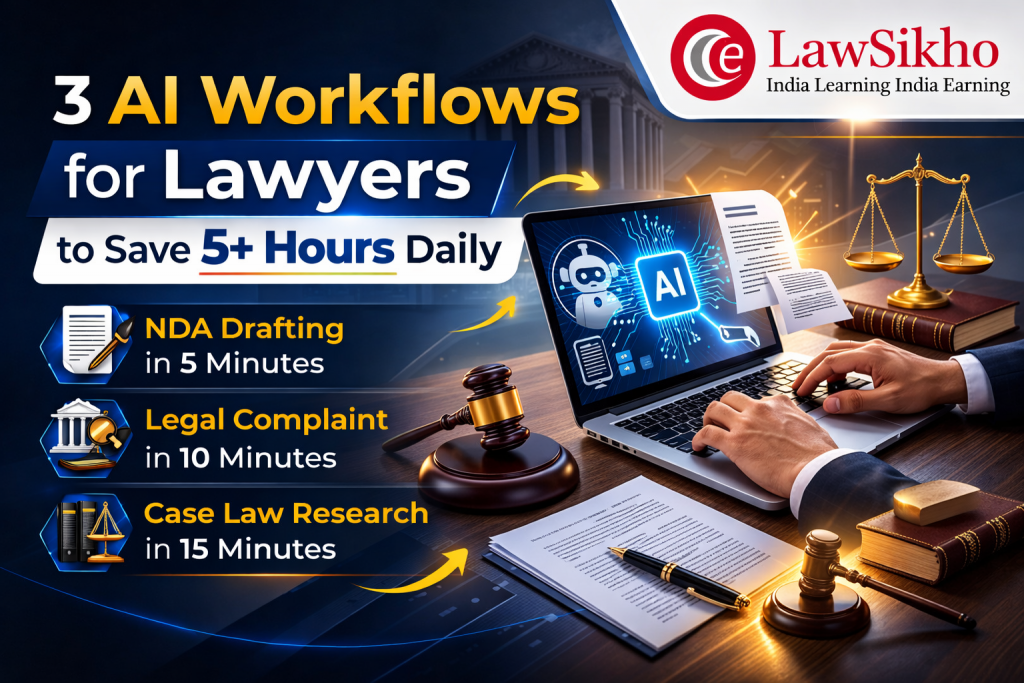

AI workflows are changing the legal industry faster than ever, helping lawyers work smarter, not harder.
Table of Contents
Most lawyers spend nearly 80% of their time on routine tasks drafting, reviewing, research, and client communication. Over time, this creates a cycle where success is measured by hours worked rather than value delivered. The result is often reduced flexibility, limited scalability, and increasing burnout.
However, early adopters of AI are shifting this model.
With AI-powered legal workflows, they complete in 2 hours what others take an entire day to finish. This shift is not just about saving time it’s about reallocating effort toward higher-value activities that actually grow a legal practice.

The result? More time for:
- Client strategy
- Business development
- Building scalable legal practices
Here are 3 practical AI workflows for lawyers you can start using today:
1. NDA Customisation → 5 Minutes Instead of 30+
How You Probably Do It Now
- Open an NDA template
- Replace party names
- Adjust clauses (confidentiality, duration, jurisdiction, IP ownership)
- Manually flag risks
This process typically takes 30+ minutes per NDA. When repeated across 10–15 agreements each month, it consumes several hours of valuable time.
AI Workflow for NDA Drafting
- Keep a master NDA template ready
- Paste it into Claude or ChatGPT with this prompt:
“Customize this NDA for a fintech startup hiring a marketing consultant. Include IP assignment, non-solicit for 12 months, and highlight any clauses risky for the consultant.” - AI will:
- Adjust definitions
- Adapt clauses
- Flag negotiation risks
- Your role:
- Spend 3–4 minutes reviewing
- Make strategic tweaks
Instead of manual drafting, you focus on client advisory and decision-making.
2. Complaint Drafting → 30 Minutes Instead of Half a Day
Traditional Method
- Review facts
- Research jurisdiction requirements
- Draft from scratch
- Check statutes, reliefs, completeness
Even a simple civil complaint can take half a day using this approach.
AI Workflow for Complaint Drafting
- Start by organizing facts in bullet points:
- Client paid 20 lakh for construction project
- Contractor abandoned work after 2 months
- Repeated reminders sent, no response
- Contract clause allows refund plus damages
- Then Prompt AI:
“Draft civil complaint for breach of contract in Delhi High Court. Include jurisdiction statements, all elements of cause of action, and prayer for relief. Flag limitation issues.” - AI generates a structured draft:
- Court caption and jurisdiction
- Clear party descriptions
- Complete cause of action
- Prayer: refund, damages, interest
Your role:
- Refine tone
- Add local citations
- Align with client strategy
You save 4–6 hours of drafting time while maintaining structure and completeness.
3. Case Law Synthesis → 15 Minutes Instead of Hours
Traditional Legal Research Method
- Use SCC Online / Manupatra / Westlaw
- Sort through irrelevant results
- Read headnotes manually
- Extract and compile summaries
This takes 3–4 hours.
AI Workflow for Legal Research
1.Prompt:
“Summarise all Supreme Court of India cases from the last 5 years on anticipatory bail under Section 438 CrPC. Output in table: case name, year, holding, key factors considered.”
2. AI generates a structured table
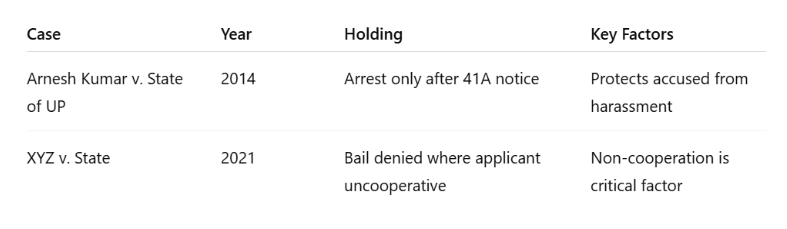
3. Follow-up prompt:
“Add contrary judgments and distinguish facts where bail was refused.”
Now you have:
- Favorable precedents
- Unfavorable precedents
- A complete research brief
Your output: decision-ready analysis in 15 minutes
Why These AI Workflows Matter for Lawyers
This is not theoretical.
Lawyers using these workflows are able to:
- Reclaim 4–6 hours daily
- Deliver higher-quality work
- Improve efficiency across drafting, research, and advisory





 Allow notifications