

Contract drafting is the essential legal skill of creating binding, written agreements, defining parties’ rights, duties, and risk allocations. It is vital for Lawyers, In-house counsel, Law students, and Business Professionals to master because it transforms complex legal risks into clear business terms, enabling transactions, preventing disputes, and enabling career advancement.
Table of Contents
Introduction
If you’ve been hearing about contract drafting lately and wondering, “Is this really for someone like me?” you’re not alone. It’s one of the most common questions lawyers and law students ask when they first encounter this skill. The honest answer? Contract drafting is relevant to almost every legal professional but the reasons differ dramatically depending on where you are in your career.
“This sounds great, but is it really for someone like me?”
Here’s the truth: Whether you’re a

- Litigator wanting to expand your income
- Fresh law graduate looking for your first break,
- Law student trying to build skills before graduation,
- In-house counsel aiming to move up faster,
- Freelancers who want to scale up, or
- LPO professional seeking better opportunities
Contract Drafting Is Not a One Size Fits All Skill
Before diving into individual profiles, here’s an important framing: contract drafting isn’t a single use skill that only “corporate lawyers” need. It’s a transferable, income generating, career accelerating competency that looks different depending on your situation.
A litigator uses it to generate a parallel income stream. A law student uses it to start earning before graduation. An In-house counsel uses it to get promoted faster. An LPO professional uses it to escape a low pay ceiling.
The strategy and the opportunity changes. But the underlying skill is the same.
For Litigators: Turn Courtroom Knowledge Into a Parallel Income
Why Litigators Struggle Financially Early On
If you’re a litigator, you already know the harsh reality: making consistent money in litigation is hard, especially at the start. Seniors pay very little. Independent practice means fighting for every brief. Even when you secure new matters, court delays mean your income doesn’t move. Working harder doesn’t always translate to earning more.
How Contract Drafting Solves the Income Problem
Here’s the insight most litigators miss: Your existing clients are already sitting on contract drafting needs. Most commercial litigation from real estate disputes to IP conflicts to loan defaults originates in poorly drafted contracts. You already understand those contracts better than most. You’ve read them in dispute. You know exactly where they break.
That gives you a powerful edge: a litigator who can draft and analyze contracts is a sharper advocate in court and a more complete advisor to clients.
Practically, you can draft 10 contracts a month, earn an additional ₹50,000–₹75,000 (or USD 750–1,000), and still preserve 80–90% of your time for your litigation practice. That’s 2–3 hours a day building a side income that doesn’t compete with your core work.
Contract Drafting as a Client Generation Engine
Here’s the compounding benefit: contracts go into litigation eventually. When clients trust you as their contract advisor, they come back to you when disputes arise. This is how many litigators build their own client base not through referrals alone, but by becoming the lawyer who handles the full legal lifecycle.
What makes this real:
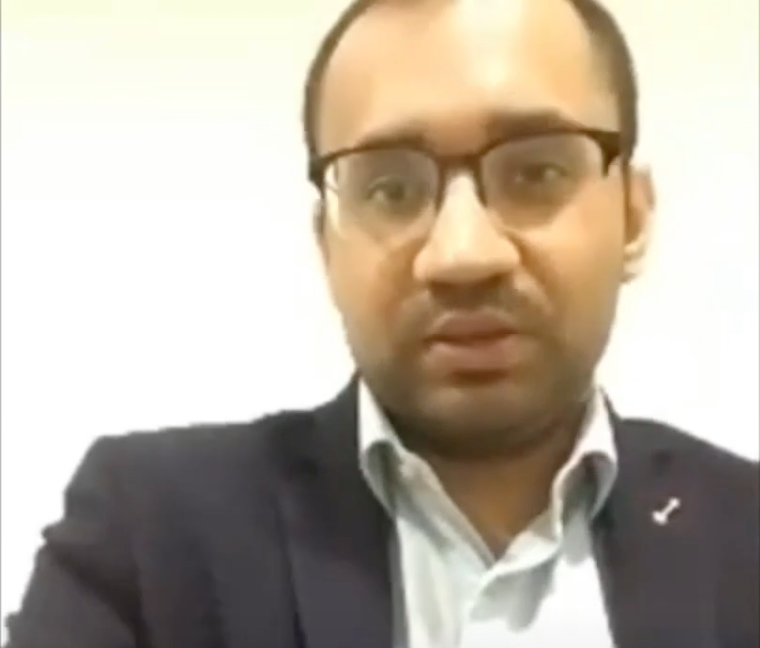
Hasnain Alvi, LawSikho (September 2018), started learning contract drafting and doing independent matters for small business owners and CAs. In 2019, one year after joining us, he won a big arbitration award. He has since won several other arbitration awards and facilitated a total recovery of over 16-17 crores for his clients.

Punit Gaur, a litigating lawyer in Delhi, learned contract drafting and began assisting international clients. He now earns INR 60k-1L per month, working 4-5 hours on the side. He has earned USD 10,000 from Upwork alone.
What You’ll Learn (Litigators)
- Key clauses every litigator must know to perform contract drafting work
- How to spot contract opportunities inside your existing litigation matters
- How to pitch to domestic startups and SMEs for drafting work
- How to network with international clients and foreign lawyers to expand your practice.
Here is a list of 150+ litigators who secured international opportunities.
For Fresh Law Graduates: Break the “No Experience” Deadlock
The Catch Fresh Graduates Face
You’ve just graduated. Law firms want 2–3 years of experience. Companies want proven track records. Even litigation seniors pay very little in the beginning. And yet everyone says you need experience to get experience.
This isn’t just frustrating. It’s a structural problem with how legal hiring works in India.
Here’s what makes it worse: law school teaches you legal principles, not drafting practice. You graduate knowing about offer, acceptance, and consideration but when a client asks you to draft an NDA or shareholder agreement, you’re uncertain where to begin.
How Contract Drafting Gives You Proof of Skills
Contract drafting offers a low-risk entry point for clients who wouldn’t trust a fresh graduate with high stakes litigation. The cost of giving someone a drafting matter is manageable. The barrier is lower and that’s your opening.
Once you draft 5, 10, 30 contracts well, you have proof. When you can show a portfolio of 30–50 drafted contracts including some for real clients, even if initially pro-bono your CV changes entirely. You stop looking like a graduate who knows theory and start looking like a lawyer who can do work.
Here’s proof this works:

Soumyadeep Ghosh (LawSikho, December 2024), a 2023 LLB graduate from Kolkata, was practicing in district court before joining LawSikho. After learning international contract drafting, he secured his first international project a SaaS license and sub-licensing agreement worth ₹50,000 in March 2025. He earned over ₹78,000 in that month alone, working with clients from India, the US, and Switzerland.
What You’ll Learn (Fresh Graduates)
- How to build your first drafting portfolio even with zero prior experience
- How to approach startups and SMEs for pro-bono work and build testimonials
- How to position yourself to law firms and companies as someone with international exposure
- Which contracts to master to become interview ready for corporate legal roles
Here is a list of 400 learners who secured jobs.
For Law Students: Start Earning Before You Graduate
The Problem Law Schools Don’t Solve
You’re in college. You’re learning torts, contracts doctrine, and constitutional law. But when a real client asks you to draft a partnership agreement? Most law students freeze. Law schools teach legal theory, not drafting practice. That gap is your opportunity.
Real Income While Still in College
Many law students who learn contract drafting go on to earn ₹15,000–₹60,000 per month while still in college and some do significantly more.

Anoushka Rawat (LawSikho, September 2021), a 2023 BBA LLB graduate from Dehradun, started working remotely with a US lawyer in Georgia while still in her third year. She earned over ₹1 lakh per month, stopped depending on her parents financially, secured admission to Queen Mary University London and funded her LLM with her own freelance earnings.

Shivang Sharma (LawSikho, December 2024), a third-year student from Delhi, secured four remote opportunities within months shareholder agreements, partnership agreements, contractor agreements. In March 2025 alone, he earned ₹57,000, working just 3 hours per project with clients from the UAE, the US, and India.
Here is a list of 100+ learners who started working with international clients as law students.
Beyond income: when you walk into a placement interview with 20–30 drafted contracts already in your portfolio, you are in a different category from every other candidate. This matters especially because 50–75% of work performed by in-house counsels and law firm lawyers involves contracts.
What You’ll Learn (Law Students)
- 10 contract drafting skills you can implement within the next 30 days
- How to draft confidentiality clauses, IP licensing clauses, and termination clauses
- How to draft a complete co-founders agreement from scratch
- The 5 basic agreements every startup needs and the commercial rationale behind each
- How to create freelance profiles and write effective proposals for international clients
- How to find and pitch to remote contract drafting projects with startups, SMEs, and foreign lawyers
Here is a list of 290+ learners who secured internships with our help.
For In-House Counsels: Move Faster, Earn More, and Become Indispensable
Why Most In-House Counsels Plateau
If you’re working as an In-house counsel, you likely spend 50–75% of your time on contracts drafting, reviewing, negotiating, managing. Vendor agreements, employment contracts, high stakes deals. You know contracts better than most.
And yet, most In-house counsels never receive formal drafting training. They learn on the job, which means they develop habits not always the best ones and miss nuances that could better protect their company or accelerate their career.
Career Outcomes Advanced Drafting Unlocks
Strengthening your contract drafting skills especially in international transactions can open up career trajectories that In-house work alone rarely does:
- Get promoted faster. Companies need counsels who can handle cross-border deals and international transactions. That makes you indispensable.
- Access MNC roles. India is projected to host over 2,200 Global Capability Centers (GCCs) in the next five years. International contract experience is exactly what those roles require and they offer better pay, stability, and work life balance.
- Land Big 4 positions. Firms like Deloitte, PwC, EY, and KPMG value lawyers who can manage complex international contracts, cross-border transactions, and multi-jurisdictional compliance. A strong drafting portfolio is a compelling differentiator.
- Handle strategic work. Move from reviewing routine vendor agreements to working on M&A deals, joint ventures, and licensing transactions.
Success stories:

Subhasish M, LawSikho (February 2024), a 2015 graduate from Pune, secured a job as Senior Manager Legal at TATA AIG General Insurance Company Limited in April 2024.

Debdatta Das, LawSikho (June 2021), a 2022 graduate from Pune, secured a job at Juspay as an Associate in June 2024.

Somashree Das, LawSikho (August 2023), a 2012 graduate from Kolkata, secured a job at Reliance Foundation as Legal Contract and Documentation in July 2024.
What You’ll Learn (In-House Counsels)
- How to draft contracts for international transactions and cross-border deals
- How to use AI tools to speed up contract review without introducing legal errors
- How to position yourself for senior roles and MNC opportunities
- A 6 month plan to build expertise in domestic and international drafting
- How to network with US, UK, and Canada based lawyers for international exposure
Here is a list of 200+ students who secured jobs as In-house counsels.
For Freelancers: Break Through the ₹50K–₹75K Plateau
Why Freelancers Hit a Ceiling
If you’re already freelancing in contract drafting congratulations. You’re ahead of most lawyers. But many freelancers hit an income ceiling and can’t break through it.
The plateau typically comes down to three gaps:
- Authority gap: Clients don’t yet trust you with large, recurring, high complexity work
- Positioning gap: You’re chasing clients rather than being sought out
- Skills gap: You’re not yet drafting the high value, complex agreements that command premium rates
What Scaling Looks Like:

Meghna Khetrapal left a law firm, started her own practice, and reached USD 100,000 (approximately ₹84 lakh) in reported Upwork earnings in just 14 months.

Ankita Srivastava, a 2017 law graduate who was litigating in Delhi courts until 2021, shifted to the US and started freelancing completing 320 jobs, logging 1,905 hours, and earning over USD 100,000 in under two years.

Alisha Rusiya, a law student from Kanpur, has completed 102 international projects and earned over USD 30,000 on Upwork.
What You’ll Learn (Freelancers)
- How to build a high credibility track record that attracts premium clients
- How to strengthen your personal brand so clients find you not the other way around
- How to make your outreach more effective and network with international lawyers
- How to draft the 5 most in demand startup agreements at a high level
- How to position yourself for higher value work and recurring international engagements
Here is a list of 500+ professionals who secured freelance opportunities.
For LPO Professionals: Stop Giving Away 80% of Your Value
The LPO Salary Problem
If you work in a Legal Process Outsourcing firm, you know the math: you’re likely earning ₹25,000–₹40,000 per month for work that international clients pay USD 50–100 per hour for. That means you’re generating ₹2–3 lakhs of value monthly and seeing a fraction of it.
That’s not a personal problem. It’s a structural one. But contract drafting skills give you two concrete paths out.
Two Paths Out of the LPO Trap
Path 1: Transition to law firms or in-house roles
Your LPO experience is genuinely valuable you’ve already worked with international clients and understand their expectations. The gap is specialized drafting skills. Bridge that gap, and you can:
- Apply for associate positions at law firms
- Secure In-house counsel roles at startups, SMEs, or MNCs with better pay and work life balance
- Position your international client experience as a competitive advantage in interviews
- Move from clerical LPO work into strategic legal advisory roles
Path 2: Work directly with international clients as a remote freelancer
Cut out the middleman. Earn what you’re actually worth. As a freelancer, you can work on more complex problems, build your own reputation, and earn 3–5x what LPO compensation typically offers based on your own merit and track record.
What You’ll Learn (LPO Professionals)
- How to position yourself for law firm associate and In-house counsel roles
- How to transition from LPO work to independent freelancing
- How to pitch directly to US law firms and businesses
- How to frame your LPO experience as valuable international exposure
- How to price your services competitively in international markets
Conclusion
Contract drafting isn’t a niche skill for one type of lawyer. It’s a foundational competency that opens different doors depending on where you stand today.
Here’s a quick summary:
| Profile | Core Benefit |
| Litigator | Side income + client generation engine |
| Fresh Graduate | Build a portfolio that replaces experience |
| Law Student | Earn before graduation, stand out after |
| In-House Counsel | Faster promotions, MNC roles, Big 4 access |
| LPO Professional | Escape low-pay ceiling, freelance independently |
| Freelancer | Break income plateau, build authority |
Whether you’re just starting out, looking to pivot, or ready to scale, the question isn’t “Is contract drafting for me?” The question is: “How can I use it given where I am right now?”
FAQ: Contract Drafting Career Questions Answered
Q: Do I need a corporate law background to learn contract drafting? No. Litigators, In-house counsels, LPO professionals, and even law students with no corporate background have successfully learned and applied contract drafting skills for paying clients.
Q: How long does it take to start earning from contract drafting? Some learners secure their first paid project within 30–90 days of focused learning and outreach. The timeline depends on how actively you build your portfolio and reach out to potential clients.
Q: Can law students work with international clients? Yes. Several law students have worked remotely with US and UAE-based clients while still in college, earning ₹40,000–₹1 lakh+ per month.
Q: Is contract drafting relevant if I want to stay in litigation? Absolutely. Litigators with strong drafting skills are better in court and can earn substantially more through parallel drafting work without disrupting their litigation practice.
Q: What types of contracts should I learn first? Start with NDAs, employment agreements, shareholder agreements, and co-founders agreements these have high demand, low complexity, and a clear client base among startups and SMEs.




 Allow notifications