
The global startup ecosystem is one of the fastest growing industry level spaces of our time. It’s not just growing, it’s exploding. From fintech disrupting traditional banking to AI transforming every industry imaginable, startups are reshaping the entire global economy at unprecedented speed.
Table of Contents
Introduction
Most startups fail not because their idea was bad but because they skipped the legal groundwork.
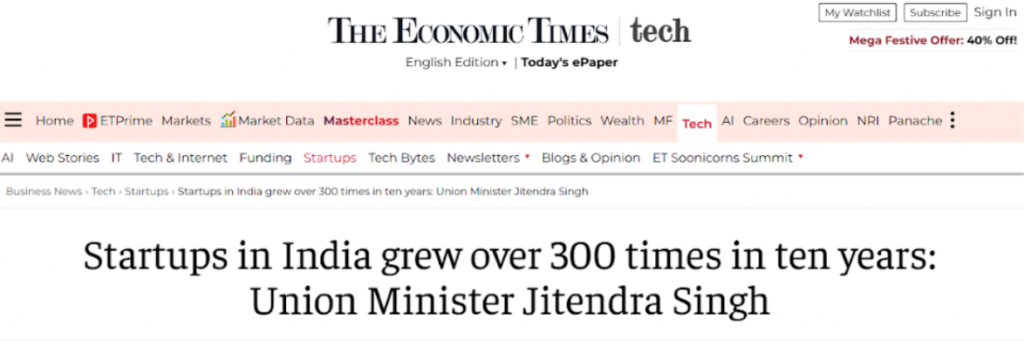
If you’re building a startup in 2025, you’re operating in one of the fastest growing ecosystems in history with over 150 million startups worldwide and India alone hosting 90,000+ recognized startups. Yet the vast majority of them operate on verbal agreements, copy pasted templates, or no contracts at all.
That’s a legal time bomb.

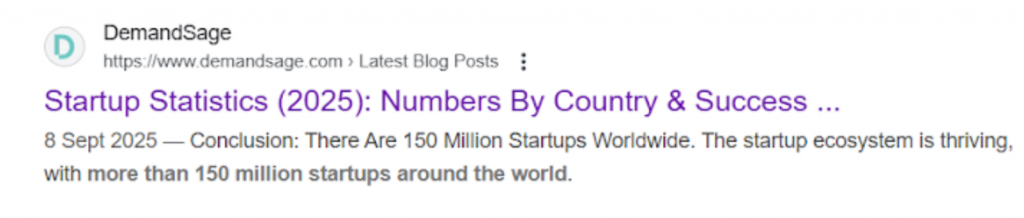
In this guide, you’ll discover the 5 essential legal agreements for startups that every founder needs in their first 18 months and what commercial risks each one is designed to prevent. Whether you’re a founder building your first team or a lawyer helping startups get their legal foundation right, this is your practical roadmap.
And when we talk about India alone, here are the numbers:
Why Startup Legal Agreements Matter More Than Ever
The startup Legal Agreements world moves fast. Founders race to ship products, close clients, and raise funding. Legal documentation often gets pushed to the bottom of the priority list until a dispute forces it to the top.
Here’s what’s actually at stake when startups skip or poorly draft their core contracts:
- Co-founder disputes that split companies before they’ve even launched
- Employees walking away with your IP or client list
- Enterprise clients locking you into unlimited indemnity exposure
- DPDP Act penalties for non-compliant data collection practices
- Investors walking away from funding rounds due to messy cap tables
The good news? These risks are almost entirely preventable. The right startup contracts, drafted early, create a legal moat around your business.
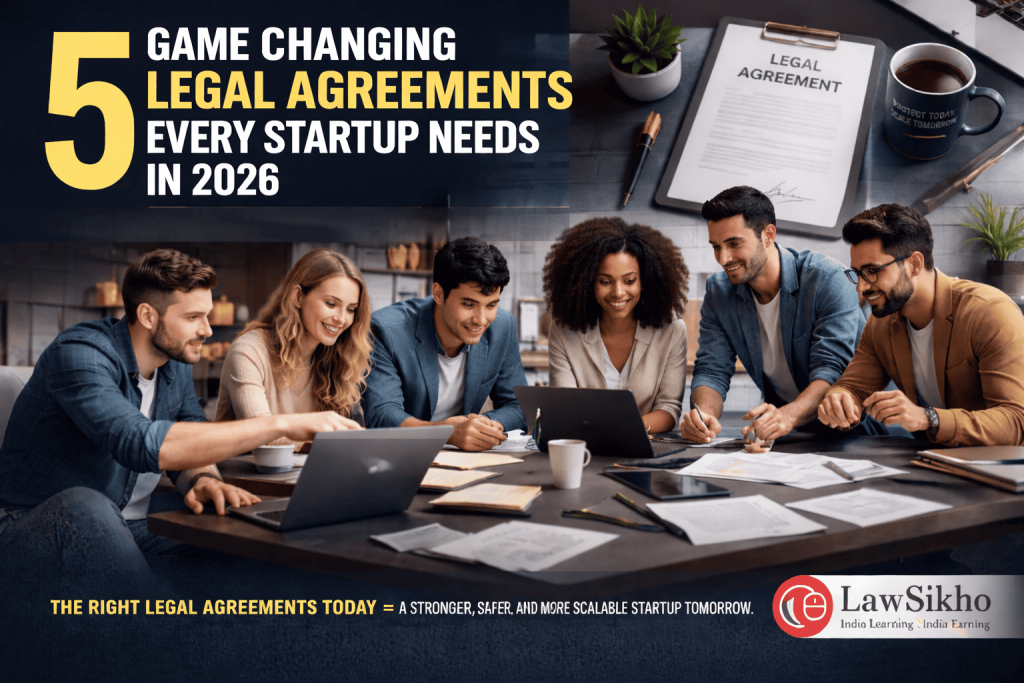
Here are the Five Legal Agreements that every startup needs in its first 18 months: Bonus: shareholders’ agreement
1. Co-Founder Agreement: Lock Down Equity Before It Becomes a War
What It Is ?
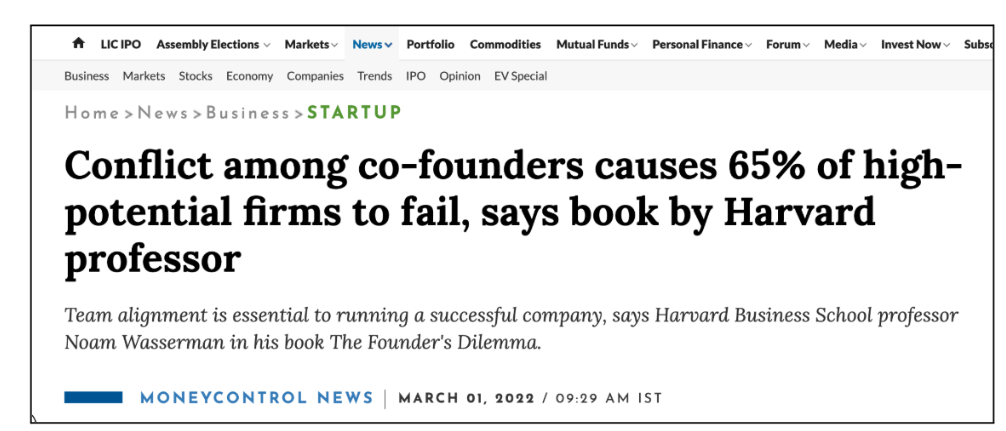
A Co-Founder Legal Agreements is a legally binding document that governs the relationship between the founders of a startup. It is the single most important contract a startup will ever sign and the one most founders skip because ‘we trust each other.’
That trust erodes fast when money, stress, and differing visions enter the picture.
What It Protects ?
A well-drafted co-founder agreement answers these critical questions upfront:
- Equity split: How much does each co-founder own, and on what terms?
- Vesting schedules: What happens to equity if a co-founder leaves in Year 1?
- Salary and withdrawals: Can co-founders draw a salary before the startup is profitable?
- Decision making authority: Who has the final say on major business decisions?
- Exit provisions: What happens if a co-founder wants out or passes away?
- Non-compete and IP ownership: Who owns what was built before incorporation?
Why It’s a Commercial Priority ?
Investor due diligence almost always surfaces co-founder agreement gaps. A startup approaching Series A without a clear equity and vesting structure is a red flag. Beyond fundraising, unresolved co-founder disputes are one of the top three reasons early stage startups collapse.
2. Terms of Service & Privacy Policy: Legal Compliance
What It Is ?
Today, any website that has a signup form, or asks you to give your email address to subscribe for updates, or download a free report, needs to have a terms of service and a privacy policy.
Any website that collects user data through a sign-up form, newsletter subscription, free download, or user account legally requires a Terms of Service (ToS) and Privacy Policy. These aren’t formalities. In 2025, they are mandatory compliance documents under India’s Digital Personal Data Protection (DPDP) Act, 2023.
What It Protects ?
These policies must clearly define:
- What personal data is collected and why
- How user consent is obtained, stored, and withdrawn
- Data retention periods and deletion protocols
- User rights as ‘data principals’ under the DPDP Act
- Breach notification procedures
- Dispute resolution and governing law
The exact content of the Terms of Service and Privacy Policy will vary depending on the nature of the business:
- Social media platforms need clauses for user generated content and account moderation.
- E-commerce or D2C platforms need terms covering orders, payments, refunds, and marketing consent.
- EdTech companies must include parental consent and protection of minors’ data.
- SaaS businesses should cover service uptime, access rights, data backups, and cross border data transfers.
For example, compare Dropbox Terms of Service with Amazon, they are quite different.
One Size Does Not Fit All:
The content of a startup’s Terms of Service varies significantly based on its business model:
| Startup Type | Key ToS Requirements |
| SaaS Company | Service uptime SLAs, access rights, data backup, cross-border data transfers |
| E-Commerce / D2C | Order terms, payment processing, refunds, marketing consent |
| EdTech Platform | Parental consent, protection of minors’ data, course access terms |
| Social Media Platform | User-generated content rights, account moderation, IP licensing |
Why It’s a Commercial Priority ?
Non-compliant data practices under the DPDP Act can attract penalties of up to ₹250 crore. Beyond penalties, a poorly drafted privacy policy is a trust killer 81% of consumers say data privacy affects their purchasing decisions. Copy pasting (ToS) from a competitor’s website also exposes you to copyright infringement risk.
3. Employment & Consultancy Agreements: Protect Your IP and Your Team
What It Is ?
As a startup scales, it inevitably brings on employees, interns, and external consultants. Without proper documentation, these relationships become your biggest legal liability especially around intellectual property, confidentiality, and competition.
A robust employment or consultancy agreement protects the startup’s core assets: its people, its ideas, and its client relationships.
The Three Biggest Employment Risks for Startups
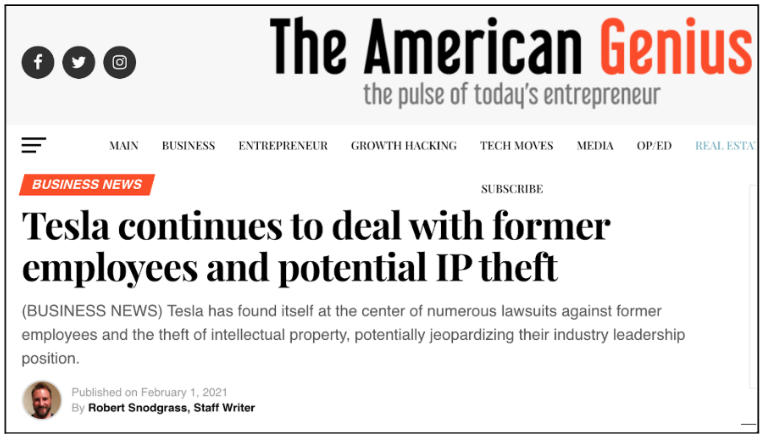
- IP theft: An employee or consultant uses your proprietary code, processes, or trade secrets to build a competing product
- Team poaching: A departing employee persuades other team members or key talent to follow them
- Client solicitation: A former consultant leverages your client relationships to benefit a competitor
What a Strong Employment Legal Agreements Must Address
- Clearly defined roles, KPIs, and deliverables
- Compensation structure including equity/ESOPs if applicable
- IP assignment clause, all work created belongs to the company
- Non-disclosure obligations during and after employment
- Non-compete and non-solicitation clauses with defined geographic and time limits
- Grounds and process for termination
Why It’s a Commercial Priority?
Even Billion dollar companies take employment agreements seriously. Infosys’s CEO level contracts run to dozens of pages, with specific provisions on compensation, post employment restrictions, and termination conditions. If the largest IT companies in India invest this heavily in employment documentation, the cost to a startup of operating on a one page offer letter or nothing at all is enormous.
Here is a sample of the executive employment agreement with Vishal Sikka. See this Article on Infosys’ employment agreement with its next CEO.
4. Non-Disclosure Agreements (NDAs): Control What Leaves the Room
What It Is?
A Non-Disclosure Agreement (NDA) also called a confidentiality agreement is executed when two parties need to share sensitive business information before entering into a formal collaboration or investment deal. It legally prohibits the receiving party from disclosing or misusing the information, regardless of whether the deal proceeds.
Startups need NDAs constantly, before investor meetings, partnership discussions, vendor evaluations, and client pilots.
One-Way vs Mutual NDAs
The structure of an NDA depends on which party is sharing information:
- One-way (unilateral) NDA: Only one party discloses confidential information common in investor pitches or vendor briefings
- Mutual NDA: Both parties share sensitive information common in strategic partnerships or joint ventures
What a Strong NDA Must Cover :
- Definition of ‘confidential information’: What is and isn’t covered
- Permitted uses: How the receiving party can use the information
- Duration: How long the confidentiality obligation lasts
- Exclusions: Information already in the public domain or obtained from a third party
- Security obligations: What measures the receiving party must take to protect the information
- Remedies: What happens upon breach (injunctive relief, liquidated damages)
Why It’s a Commercial Priority ?
A startup’s competitive advantage is almost entirely informational your technology, your business model, your customer data, your roadmap. Once that information is out without legal protection, it’s out. An NDA doesn’t just protect information; it signals to investors and partners that you operate with professional discipline.
5.Client & Vendor Agreements: Manage Risk at Every Transaction
What It Is ?
Every startup has two essential commercial relationships: clients (who pay for its products or services) and vendors (who provide goods, software, or services the startup depends on). Without standardized, well negotiated agreements for both, startups expose themselves to financial and operational risk at every transaction.
The Indemnity Trap: A Cautionary Tale
Any startup is likely to have arrangements with vendors who provide products/services, and agreements with clients to whom it is selling its products.
Imagine a startup that has built a cloud-based file storage solution think Dropbox for enterprise clients. A large corporate client insists on a contract clause requiring the startup to compensate them for all losses if their files become inaccessible even briefly. No cap on liability. If the system goes down for an hour and the client claims ₹10 crore in business losses, the startup is on the hook for the full amount.
This is not hypothetical. Startups sign clauses like this routinely because they lack legal guidance during early stage commercial negotiations.
What Client & Vendor Agreements Must Address
- Scope of services/products with clear deliverable timelines
- Payment terms, invoicing schedules, and late payment penalties
- IP ownership of deliverables and work product
- Limitation of liability and indemnity caps
- Termination rights and notice periods
- Dispute resolution mechanism (arbitration vs. litigation, jurisdiction)
Why It’s a Commercial Priority ?
Investor due diligence will examine your client and vendor contracts. Poorly negotiated agreements especially those with open ended liabilities or missing IP clauses are direct red flags. Standardizing your commercial contracts early also signals operational maturity to both investors and enterprise clients.
Bonus: Shareholders’ Agreement (The Fundraising Enabler)
Once a startup begins approaching investors for its seed or Series A round, a Shareholders’ Agreement (SHA) becomes essential. This agreement governs the rights of shareholders founders, angels, and institutional investors and covers critical terms like:
- Anti-dilution protection for early investors
- Right of First Refusal (ROFR) on share transfers
- Drag along and Tag along rights
- Board composition and voting rights
- Information and inspection rights for investors
Helping a startup draft its first SHA is one of the highest value legal services a lawyer can provide to an early stage company and the gateway to a long term client relationship through every subsequent funding round.
Frequently Asked Questions (FAQ Schema)
Q: When should a startup get its legal agreements in place?
Ideally, before the first co-founder begins working with others, before any employee or consultant is hired, and before any user data is collected. In practice, the first 18 months of a startup’s life are the highest risk window most disputes emerge from Legal Agreements (or the lack of them) made in this period.
Q: Can a startup use free contract templates from the internet?
Free templates are a starting point, not a solution. Generic templates don’t account for your startup’s specific business model, jurisdiction, regulatory obligations (like the DPDP Act, 2023), or commercial risk profile. A poorly customized template can be as dangerous as no contract at all especially for privacy policies and client agreements with indemnity clauses.
Q: What’s the difference between an NDA and a confidentiality clause in an employment agreement?
A confidentiality clause in an employment agreement covers information shared during the employment relationship. An NDA is a standalone agreement typically used with third parties investors, partners, or potential clients before a formal relationship is established. Startups need both.
Q: How much should a startup budget for these legal agreements?
Costs vary significantly depending on whether you engage a senior law firm, a startup focused boutique lawyer, or a freelance legal professional. The key insight is that startup contracts don’t need to be lengthy or expensive to be effective they need to be precise, practical, and commercially savvy. A 5 page co-founder agreement drafted by the right lawyer is worth more than a 50 page document that doesn’t address your real risks.
Conclusion: Build on Solid Legal Ground
The startup graveyard is full of great ideas that died preventable deaths co-founder splits over undocumented equity, IP stolen by departing employees, enterprise contracts with ruinous indemnity clauses, and data breaches that led to regulatory penalties.
The 5 legal agreements for startups covered in this guide are not bureaucratic box-ticking. They are the structural pillars that determine whether your startup can withstand the inevitable pressures of rapid growth and emerge stronger.
Whether you’re a founder securing your business’s future or a lawyer building a career in one of the fastest growing legal niches in India, getting these Legal Agreements right and getting them right early is one of the highest leverage decisions you can make.




 Allow notifications