

Finding the right employers for Indian lawyers in the US and UK is easier than most people think and here is one number that proves it: 33.3 million small businesses in the US alone, everyone needing affordable legal support they cannot get from local law firms. This guide covers the 7 best employers for Indian lawyers, so you know exactly where to focus.
Table of Contents
Add to that 5.6 million companies in the UK, a booming legal tech sector on both sides of the Atlantic, and over 1.3 million active US lawyers, many overwhelmed and actively looking for cost-effective paralegal support. The opportunity for Indian legal professionals to tap into these markets has never been bigger or more accessible.
We will discover exactly who is hiring, why they are hiring Indian lawyers specifically, and how you can position yourself to land your first international client, even as a fresh graduate. In this guide, we break down the key employers for Indian lawyers across both markets, so you know exactly where to focus your energy.
Why the US and UK Markets Are a Goldmine for Indian Lawyers
Most Indian lawyers compete in a crowded domestic market. Meanwhile, US and UK businesses are desperate for affordable, high-quality legal support, and Indian professionals are perfectly positioned to provide it.

Here is why this matters:
- US law firms charge $200–$500 per hour. Indian lawyers can offer the same quality at a fraction of the cost.
- Both the US and UK follow common law principles, the same foundation as Indian law making the transition far smoother than you might expect.
- Remote work infrastructure is now mature. Companies in Florida, London, or New York have no problem onboarding a paralegal based in Bangalore or Mumbai.
7 Types of Employers Actively Hiring Indian Legal Professionals
1. Legal Tech Companies
Legal tech companies build software for US and UK law firms and corporate legal teams. They need lawyers not just for legal work, but for roles in content, product testing, operations, and sales and they struggle to find affordable talent locally. Legal tech companies are among the most accessible employers for Indian lawyers looking to break into the US market.
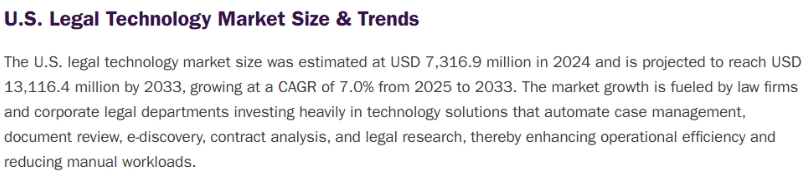
The US legal tech services market is multiple times larger than the entire Indian legal services market. Yet most US lawyers are not interested in these roles, preferring traditional law firm or corporate tracks. That gap is your opportunity.
What can you do for legal tech companies?
- Conduct legal research to support software development
- Test whether the software produces legally compliant outputs
- Write blog posts, whitepapers, and compliance guides for their marketing teams
- Help founders build a social media and podcast presence

Samridhi Jain, a third-year law student from Bangalore, started doing remote content writing for US legal tech companies. She began earning INR 15,000–20,000/month in her first year, scaled to INR 40,000–50,000/month in her second year while working just 2–3 hours a day, and now earns INR 1,50,000–2,00,000/month. Want to see her profile? Visit: https://linktr.ee/Samridhiwriteslegally

Want to know how to find legal tech companies?
Click here: https://www.globallegaltechdirectory.com/
Here are a few things you can do for their founders:
- Research (they’re developing software and need sound legal research for it)
- Testing that the software works without leading to legal & compliance errors
- Help the founders write blog posts about their software, whitepapers, free guides around corporate compliance and other thought leadership-related documents
- Get the founders invited to interviews & podcasts, help them post on social media
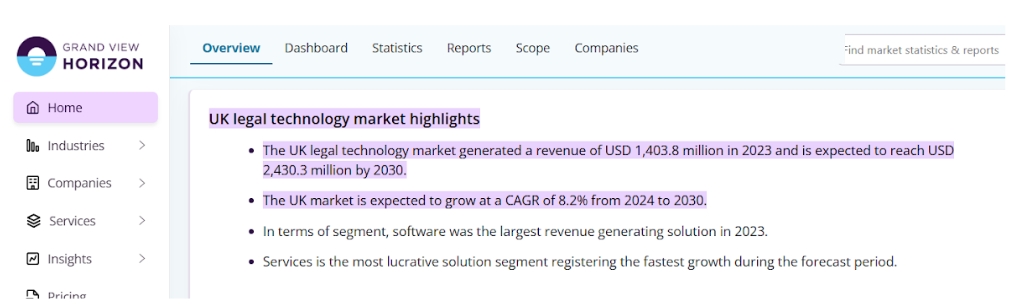
UK legal tech companies face the same talent shortage. They actively hire paralegals for non-legal roles — and your law background becomes a significant advantage when their clients are law firms and legal teams.
2. Small Businesses and Service Business Owners
The US has 33.3 million small businesses that is 99.9% of all US businesses. In 2023 alone, more than 5.5 million new businesses were registered. Each of these businesses needs legal support: contracts, compliance, incorporation, and more. Small businesses are some of the most overlooked employers for Indian lawyers, yet they represent the biggest volume of opportunity.
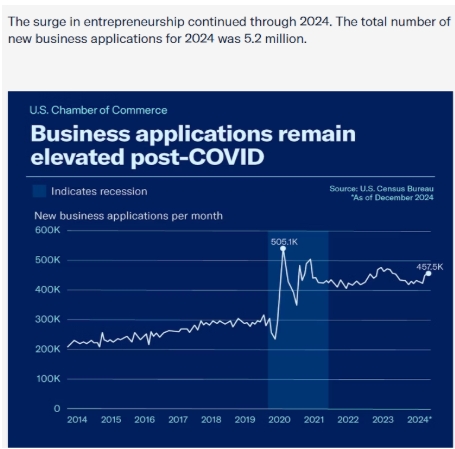
(In comparison, in India, only 1.8 lakh companies are incorporated every year.) These small businesses need cost-effective legal services. They can’t afford law firms in the US because of their exorbitant charges.

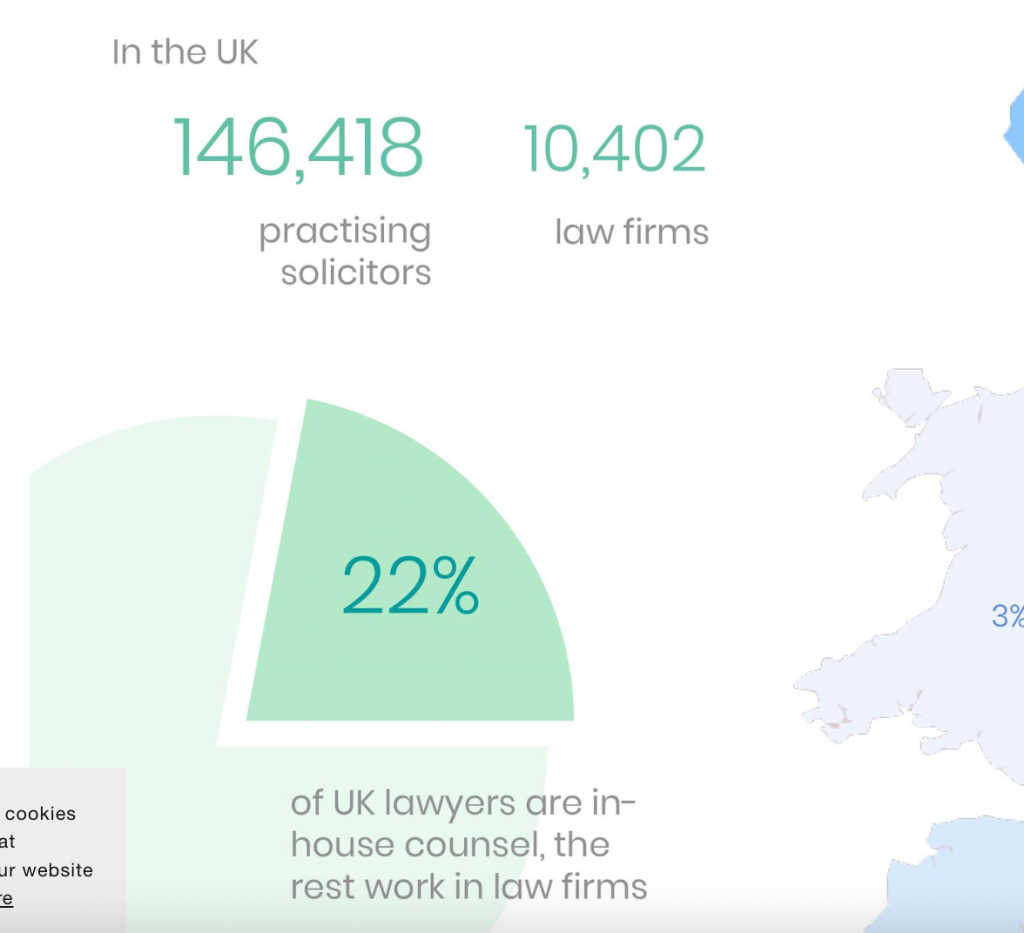
In the UK, there are 5.6 million companies, with over 800,000 incorporated every year. Additionally, 22% of all UK lawyers work in house roles, which means there is a strong culture of legal support being embedded within businesses rather than outsourced exclusively to large law firms. Solo practitioners and small firms in England and Wales are especially open to working with remote paralegals from India.
UK is the hub for top notch global corporate finance.
London is a global financial center, and every global corporation has a major presence. Close to half of all financial transactions in the world are routed through the UK.
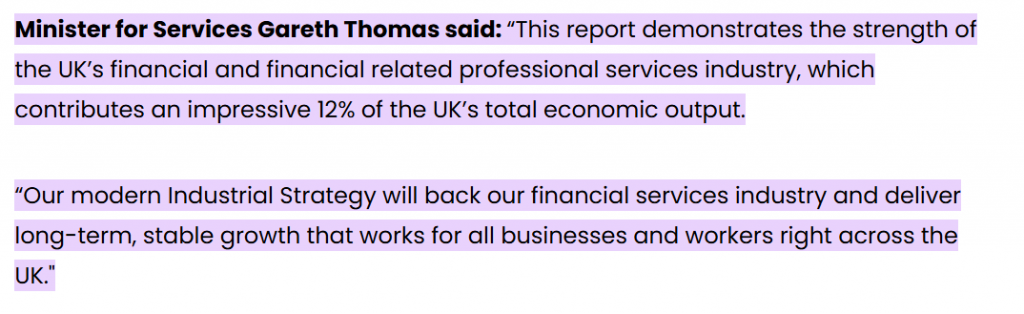
Another reason is that the UK has relationships with an exclusive network of tax havens such as the British Virgin Islands, the Cayman Islands and Bermuda – law firms in London specialize in assisting clients in conducting transactions that enable them to take benefit of such tax havens.

Doyesha Khemka, a LawSikho student (April 2022) from Ranchi, was yet to start law studies in a law college, obtained an internship at Clifford Chance, London.
And what about the small and medium-sized businesses & in-house opportunities in the UK?
There are 5.6 million companies in the UK, and more than 8 lakh companies are incorporated every year. 22% of all UK’s lawyers work in in-house roles.
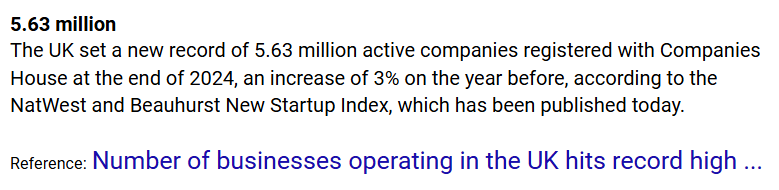
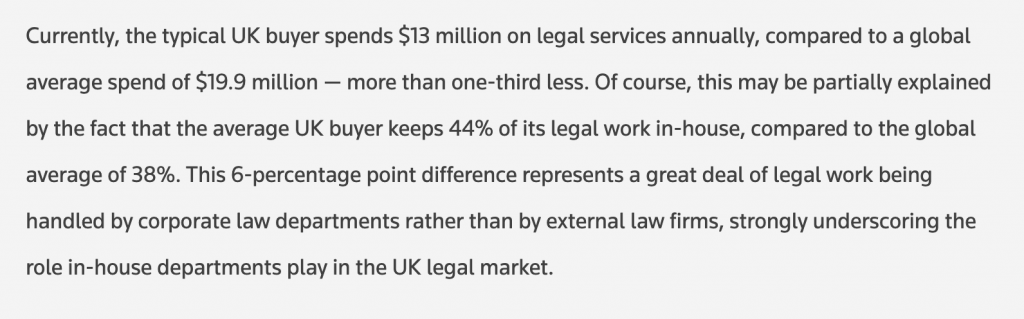
These businesses, including local businesses & services agencies, need cost-effective legal support and are increasingly open to remote paralegal services.
3. Startup Founders
The US alone has 3.5 million startups. Compare that to India’s approximately 300,000, the scale difference is massive. Startups are ideal employers for Indian lawyers because they value output over credentials.

Startups grow fast, face urgent legal needs (term sheets, IP agreements, data privacy, employment contracts), and are budget-conscious. They are often the most willing to work with new entrants because they value agility over prestige. Even a USD 10/hour starting rate is accessible and realistic for most early-stage US startups.
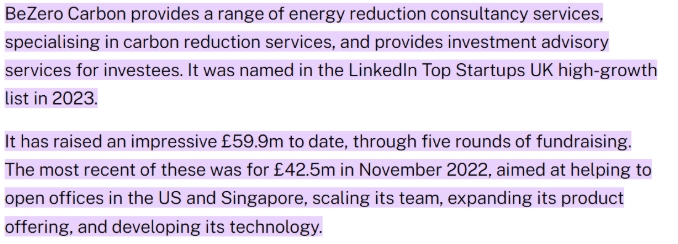
The UK startup ecosystem mirrors this dynamic. There is strong demand for contract review, GDPR compliance, IP matters, and incorporation support, all areas where an Indian legal professional with the right training can add immediate value.

There is also a compounding benefit: when startups scale and their founders move into senior roles at larger companies, they take their trusted contacts with them. Building relationships early means building a pipeline for years to come.
4. Alternative Legal Service Providers (ALSPs)
Alternative legal service providers emerged as a direct response to the high costs of traditional law firms. Their model is built on efficiency, lean operations, and technology, which makes them far more open to hiring cost-effective remote paralegals than traditional firms. Alternative legal service providers are rapidly becoming some of the most active employers for Indian lawyers seeking remote, flexible work arrangements.

Both the US and UK ALSP markets are growing rapidly. These organisations often hire for full-time and part-time remote paralegal roles, making them one of the most accessible entry points for Indian legal professionals.
5. Finance Sector — CPAs and Corporate Secretaries
There are approximately 670,000 CPAs and corporate secretaries in the US who regularly need paralegal support for corporate law assignments. Tasks include LLC formation, tax planning for visa holders, C-Corp filings, dissolution of entities, franchise tax payments, and state tax registrations. CPAs and corporate secretaries are underrated employers for Indian lawyers who want steady, recurring work.

Here is Paralegal who works remotely with a US CPAs and corporate secretaries:

Shubhanshu Singhai, a final-year law student from the February 2023 batch, worked with US CPAs and corporate secretaries on LLC suggestions, H1B tax planning, C-Corp filings, and more. He started small and now earns close to INR 1 lakh per month.
In the UK, corporate law and compliance are heavily tied to the roles of company secretaries, corporate governance officers, and legal finance specialists.
Firms like London Registrars and Law Debenture actively provide outsourced company secretarial services, proving that demand is strong and often exceeds internal capacity.
In the UK, the finance-legal overlap is equally strong. Accounting firms frequently outsource company secretarial work — board filings, statutory registers, Companies House compliance — to external specialists. Hybrid roles combining corporate paralegal and company secretarial assistant functions are recognised by UK employers, creating clear pathways for Indian professionals with dual expertise.
6. E-Commerce Businesses
The US has 12 million e-commerce businesses, all of which need support for finance, tax filings, and compliance.

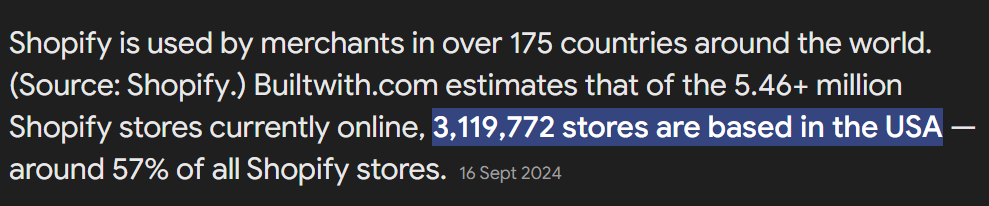
There are also over 5.46 million Shopify stores globally, many based in the US, that require corporate law assistance.
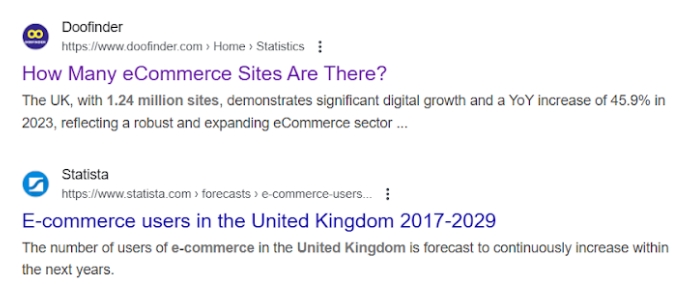
The UK e-commerce market, while smaller, is expanding rapidly — it had 1.24 million e-commerce sites in 2023, with a year-on-year growth rate of 45.9%. The number of e-commerce users in the UK is forecast to continue rising, creating sustained demand for compliance and legal support from cost-effective remote professionals.
In short, the US market for corporate law and compliance work is substantially larger than the Indian market and the UK is closing the gap quickly.
7. Individual Solicitors and Attorneys
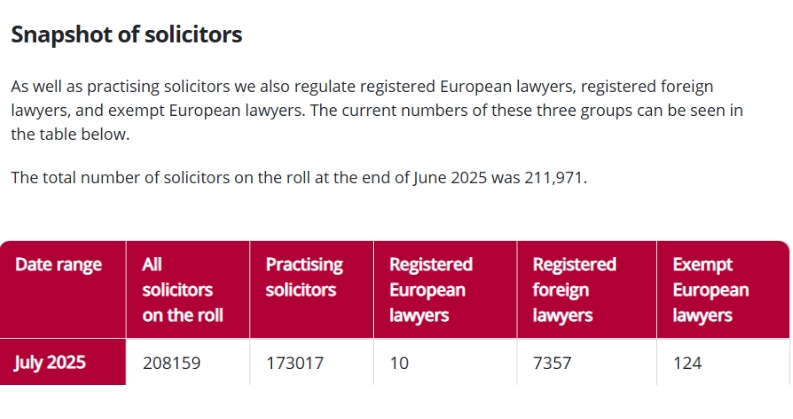
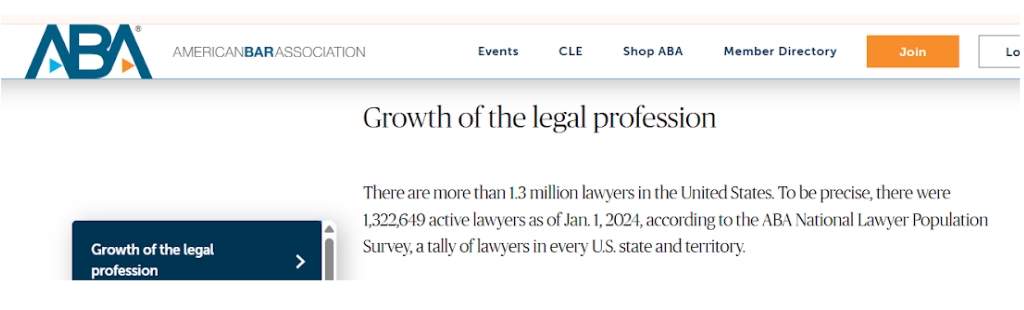
The UK has approximately 210,000 solicitors, of whom 173,017 are currently practising. The US has over 1.3 million active lawyers as of January 2024, many of whom are solo practitioners or partners in small firms.
Individual lawyers are often the most accessible and practical starting point for Indian legal professionals — here is why:
- They receive far fewer applications than well-known law firms, so your outreach stands out
- They are frequently overworked and find it difficult to recruit or retain high-quality talent
- They are more willing to mentor and train you on a hands-on basis
- They are more likely to take a chance on you if you can demonstrate value clearly
Solo attorneys and small practices in both the US and UK are juggling casework, client relations, and administrative tasks simultaneously. A paralegal who can take even one or two of those tasks off their plate becomes indispensable quickly.
The Double Advantage — Why Learning US Law Also Opens UK Doors
Here is something most Indian lawyers do not realise: the US and UK both follow common law principles. That means skills, frameworks, and client relationships built in one market transfer directly to the other.
Once you learn US work, transitioning to UK work becomes significantly easier. And the reverse is equally true. This dual expertise is genuinely rare and makes you highly valuable in the global legal services market.
Key insight: If you develop expertise in US law, you can also assist clients from Canada, the UK, Singapore, Dubai, Europe, and Australia who are expanding into the US market, and those clients can pay substantially more than domestic Indian clients. In short, the pool of employers for Indian lawyers across the US and UK is far larger than most people realise, and it is only growing.
Frequently Asked Questions
Can Indian lawyers legally work for US or UK companies remotely? Yes. Indian lawyers can provide a wide range of legal support services — research, drafting, compliance, paralegal work, to US and UK companies remotely without needing a local bar licence. You do not need to be admitted to the US bar or qualify as a UK solicitor to provide paralegal or support services.
Do I need prior experience in US or UK law to get started? No. Many Indian law students and fresh graduates have landed their first international role without prior US or UK experience. Legal tech companies, startups, and small businesses are often the most open to working with new entrants who demonstrate clear value.
What rates can I expect as a beginner? Starting rates for remote paralegal work typically range from USD 10–25/hour. As you build a track record, rates of USD 25–50/hour and beyond are achievable. In rupee terms, even USD 10/hour translates to substantially higher earnings than most entry-level domestic legal roles.
How do I find these employers? The most effective channels are LinkedIn outreach, legal tech directories, CPA directories, and cold email. Startup databases such as Crunchbase and AngelList are also useful for identifying US and UK startups that may need legal support.
Conclusion
The US and UK legal markets are not just larger than India’s, they are structurally hungry for affordable, high-quality legal talent. With 33.3 million small businesses in the US, 5.6 million companies in the UK, a rapidly growing legal tech sector, and millions of individual lawyers and CPAs in need of paralegal support, the opportunity is real, specific, and accessible today.
The employers for Indian lawyers in the US and UK are waiting, and the opportunity has never been more accessible than it is right now.





 Allow notifications